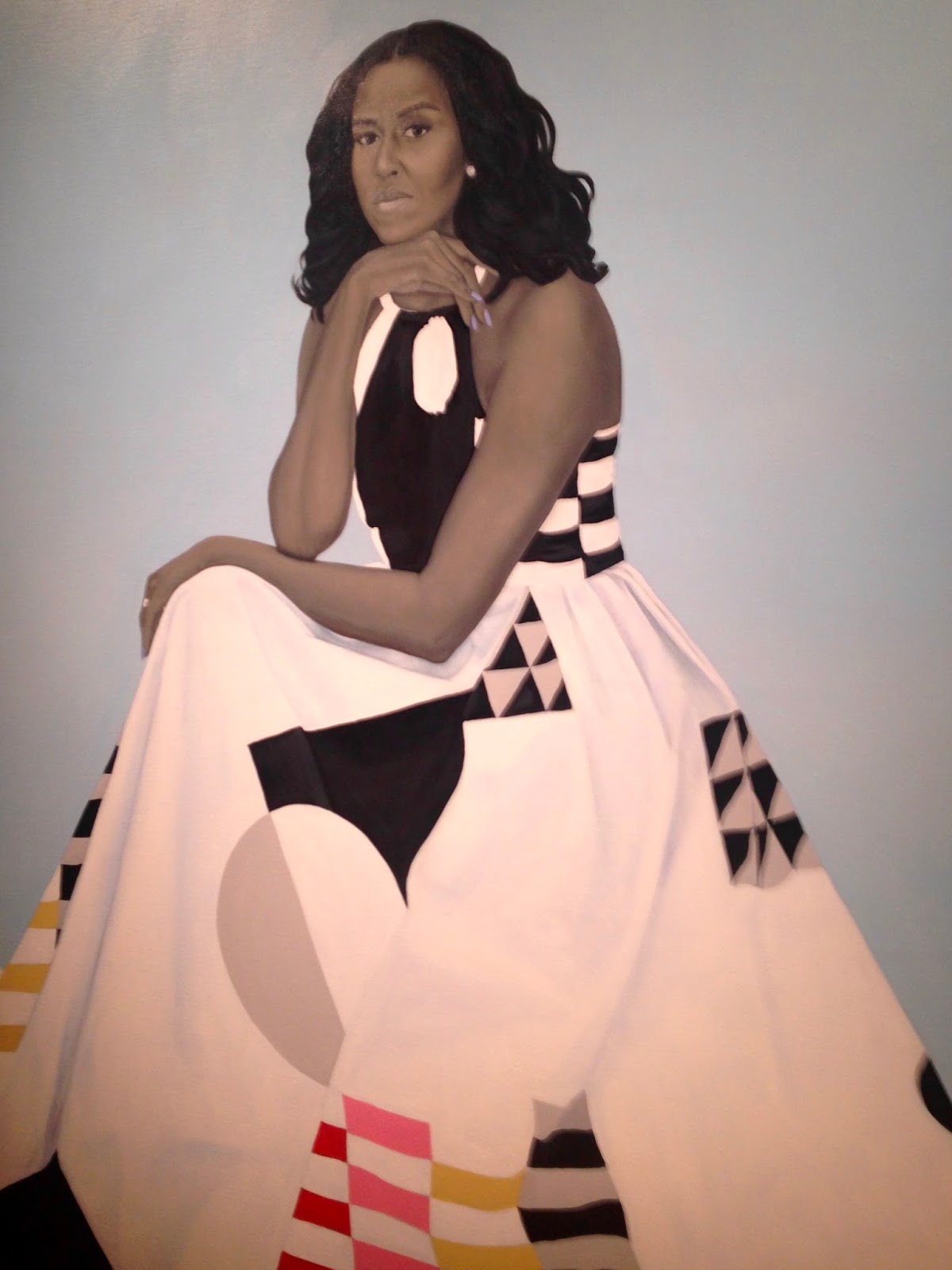
Standing in line isn't my thing but I did it for more than an hour to see Barack and Michelle Obama at the
National Portrait Gallery on President's Day. Credit my lost time to the resistance.
 |
| Michelle La Vaughn Robinson Obama by Amy Sherald (2018) |
From there I headed to the Mall, walking past the
Newseum ("There's more to every story"), a privately funded institution that's rumored to be closing. We've never needed to enshrine a free press more but a $25 admission charge is a tough sell in a city where most museums are free.
The US government has erected some gorgeous buildings in the nation's capital.
A rave review in
The New Yorker of an exhibit sent me to the
National Museum of the American Indian for the first time.
"
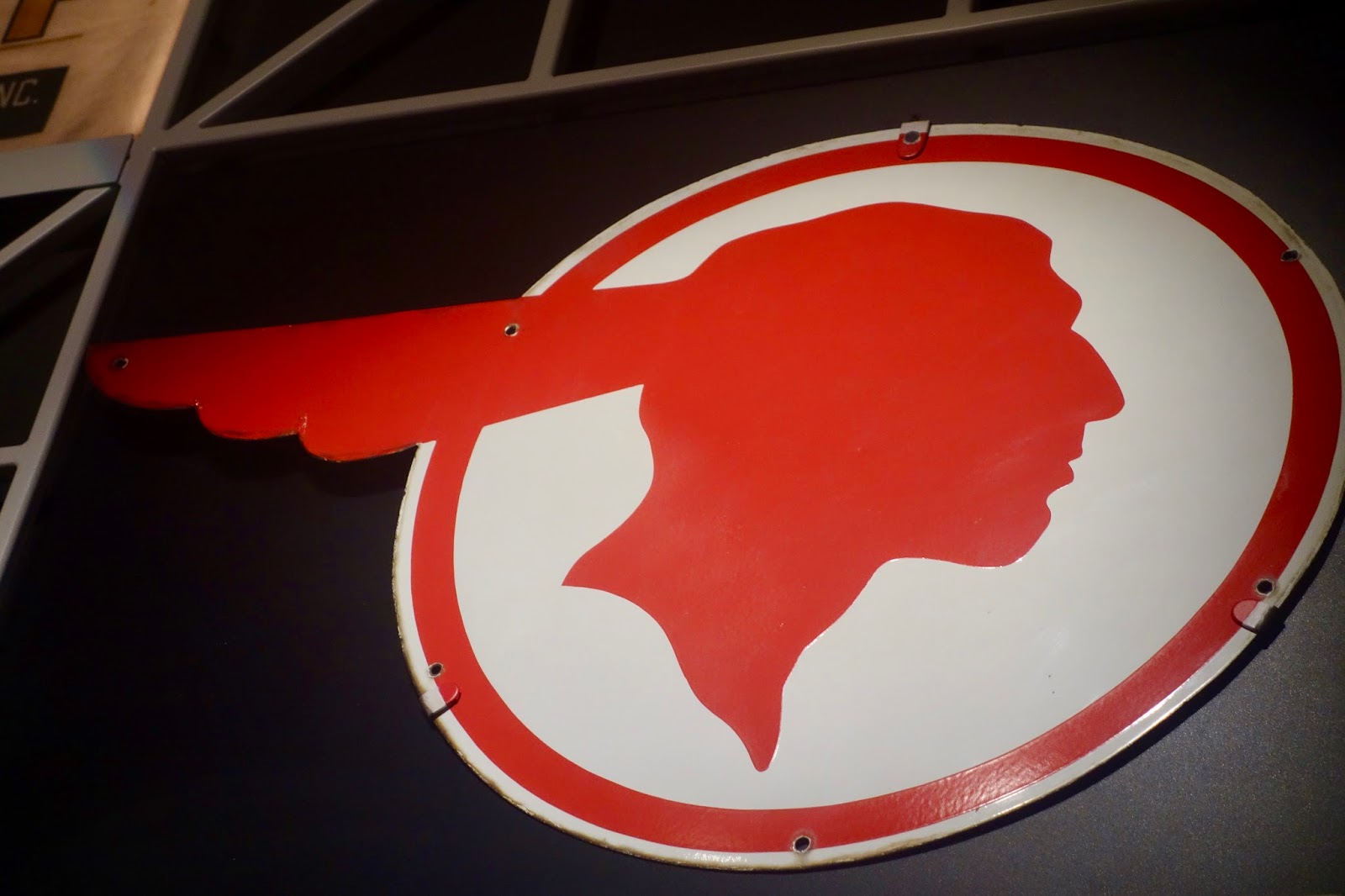
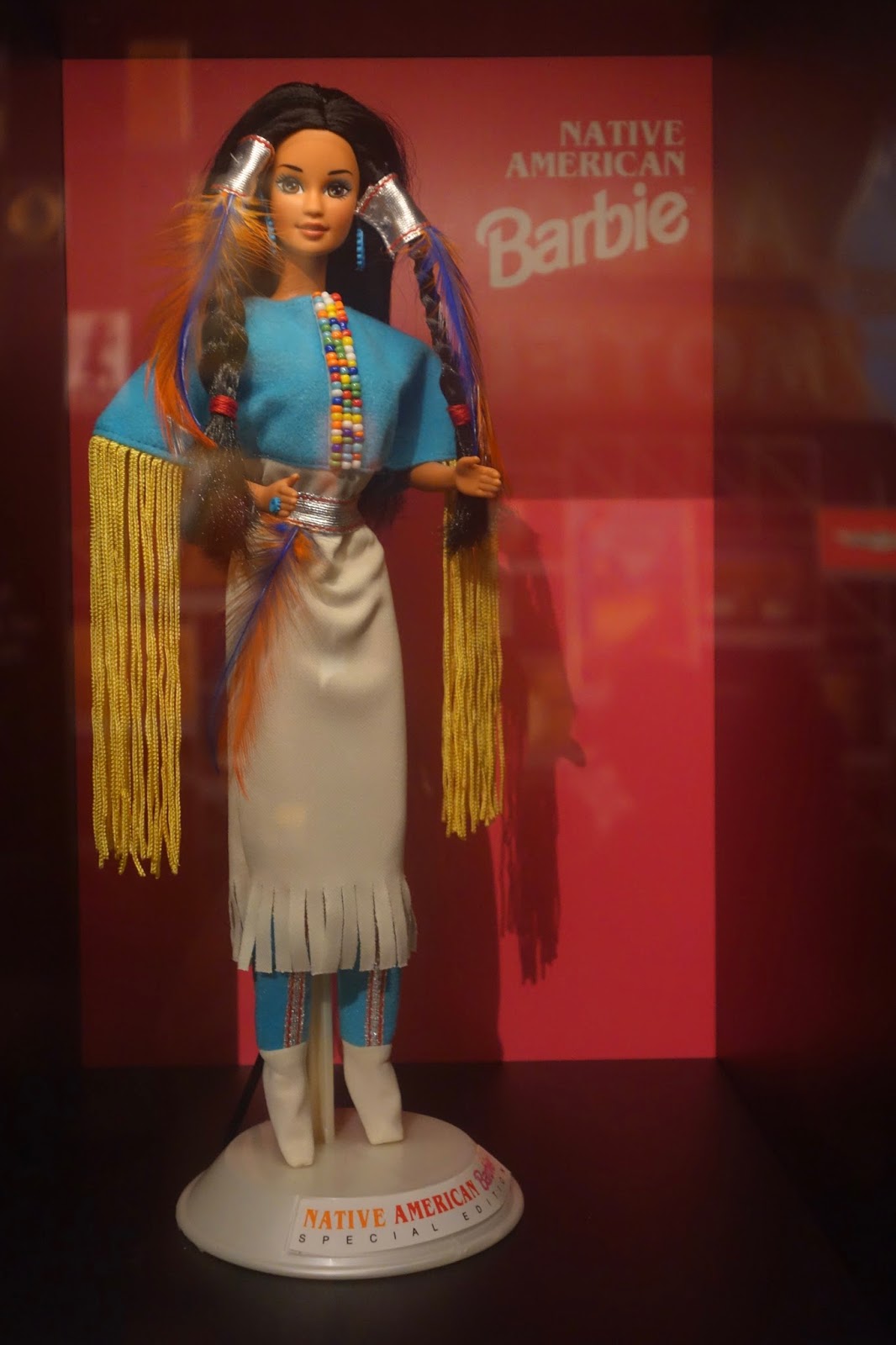
Americans" most definitely didn't disappoint although it did make me feel deeply ashamed of my ignorance of our country's indigenous population. The largest gallery depicts how Native Americans have been portrayed in popular culture.
They're found literally everywhere.
Even if they're portrayed by mostly white men in the movies. I mean
Elvis, maybe, but casting Joey Bishop as an Indian ("half brave and half chicken") in a Dean Martin turkey called
Texas Across The River? C'mon now!
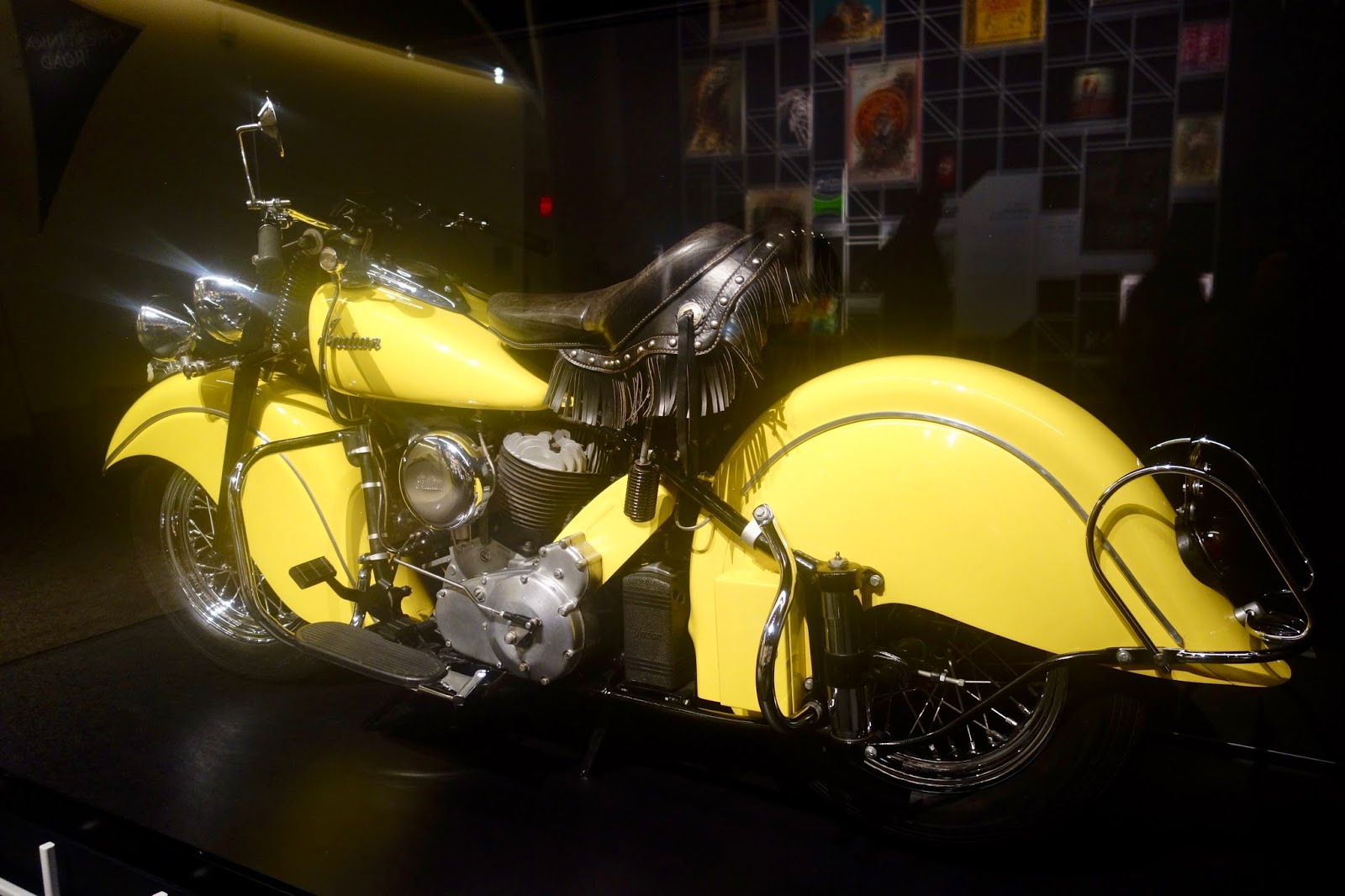
Powerful machines and weapons have been named after Native Americans, too.
The exhibit explores three distinct themes, beginning with
Little Big Horn which marked a major turning point in American history. Despite the best efforts of a well-armed US military, the Indians, led by Crazy Horse, prevailed big time. Victory instantly changed their stereotype in the public imagination from losers to winners.
Somehow General Custer ended up a "Happy Meal" toy at McDonalds' more than a century later. Go figure!
But Native arts and crafts dominate much of the display. It shocked me to realize I know more about
ancient Egypt than I do the people who first settled the United States.
Look no further than appropriation of Native American lands by the federal government for evidence that money always trumps justice, even in a democracy. Despite his oratorical skills,
Opothle Yoholo, a Muscogee Creek Indian chief, couldn't prevent passage of the
Indian Removal Act in 1830. He and members of his tribe were among the hundred thousand Native Americans who left behind a
Trail of Tears when
King Cotton forced tribes living in the southeastern United States west of the Mississippi.
The uplifting but phony tale of
Pocahontas illuminates 500 years of white myth making. This sculpture depicts the barely pubescent princess preventing her father, a powerful Algonquian Indian chief, from whacking Captain John Smith at Jamestown in the early 17th century.
Young red girl rescues older white guy. Soon after, she marries a tobacco farmer and converts to Christianity. The couple sails to England where the "civilized savage" charms London society but dies before her 21st birthday. No wonder Disney turned her into a revisionist icon while she means virtually nothing to her own people. Of course that hasn't stopped our ignorant President from using
Pocahontas as a slur. She's arguably the most famous Native American on the planet even if it seems no two images of her look alike!
Washington looked pretty blah after "Americans."
"
Outliers and American Vanguard Art" posits that self-taught artists blossomed three times over the last century, producing works during periods of cultural upheaval that didn't differ so much from what many galleries were showing. Any exhibit that includes
Marsden Hartley commands my attention.
Loved his dogs in "The Den!"
But the works of many completely unfamiliar and mostly marginalized artists, working in a variety of media, left me rejecting the often arbitrary distinctions the "art world" (critics, gallery owners, curators and historians) often makes.
"Girl With Pigeons" by
Morris Hirshfield:
"Contrail Crucifix" by
Roger Brown:
"Toot-Toot Woo" by
Jim Nutt.
And its opposite, "Untitled (Hunter and Victim)" by
Steve Ashby, who died in 1980:
"In The Wings" by
Nancy Shaver:
"117 At Jennie Richie. To avoid being out in the open when storm renews they take chance going through farm possessed by Glandelin" by
Henry Darger:
"Untitled" quilt detail by Al Loving:
Two more quilt details by
Mary Lee Bendolph. "Blocks and Strips":
And "Blocks, Strips, Strings and Half-Squares":
"Jackie O" by
Greer Lankton: