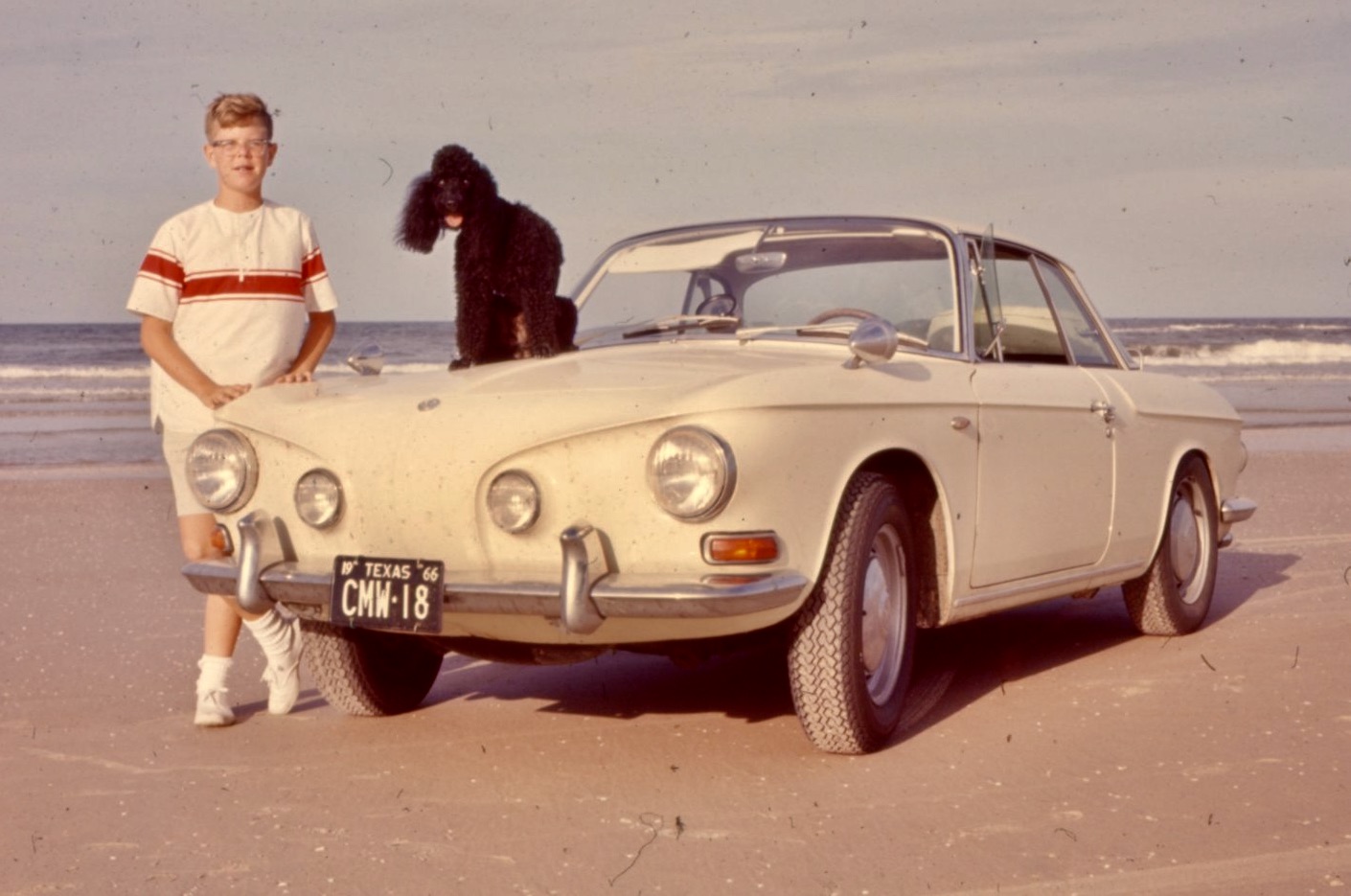
Oma loved Charlie.

Ken worked his magic at the beach with a new Type III Karmann Ghia, which he had shipped from Germany. This must be a later trip to Daytona, given the car and perfection of Charlie's cut.
By this time, I pretty much agreed with Mary about El Paso. She characterized it as "the cultural crotch of America."

But she and Ken returned and traded up on their new home. Ken installed the sprinkler system himself at 9912 Collette. DIY didn’t have a brand back then.
 |
| 9912 Collette |
We lived across the street from a family who sheltered their priest. Rumor had it he didn't remain celibate for long. The Franklin Mountains, Texas' tallest, loom in the background on a rare cloudy day.

See, it does snow in El Paso! It only takes an inch or two to paralyze the Sun City. Charlie felt at home.
 |
| Charlie (January 1968) |
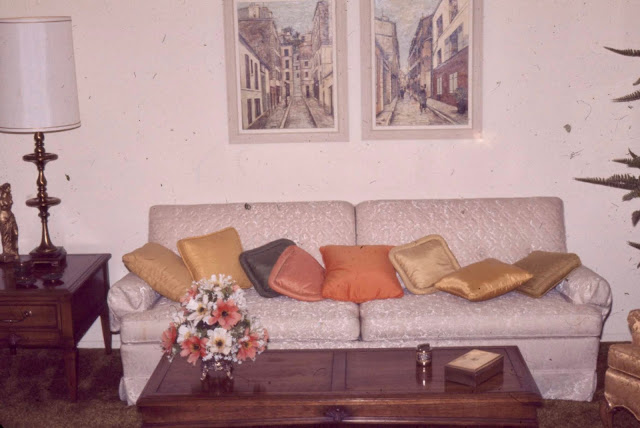
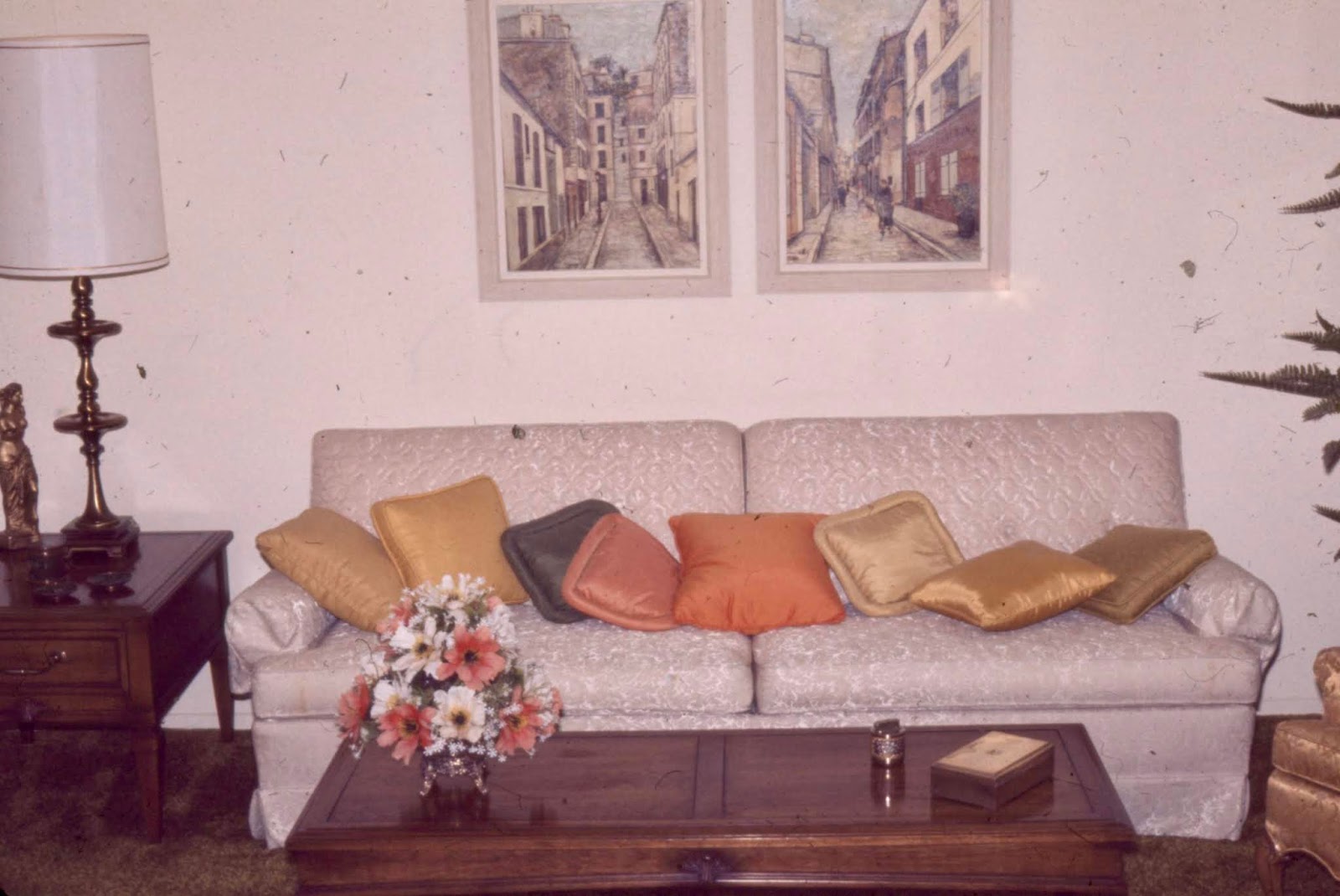
Mary went for a French provincial look in the living room with reproductions of Maurice Utrillo paintings she purchased in Montmartre.
Here's where I attended middle school and unsuccessfully ran for class president with "Hon or Bust," my campaign slogan, printed on covered wagon fliers.
Ken and I spent a lot of time exploring in the Opel on weekends. Mary refused to ride in it any longer.

I'll never forget a long, slow drive to Columbus, NM, just north of the Mexican border, on a dirt road. By then, the railroad had stopped running.


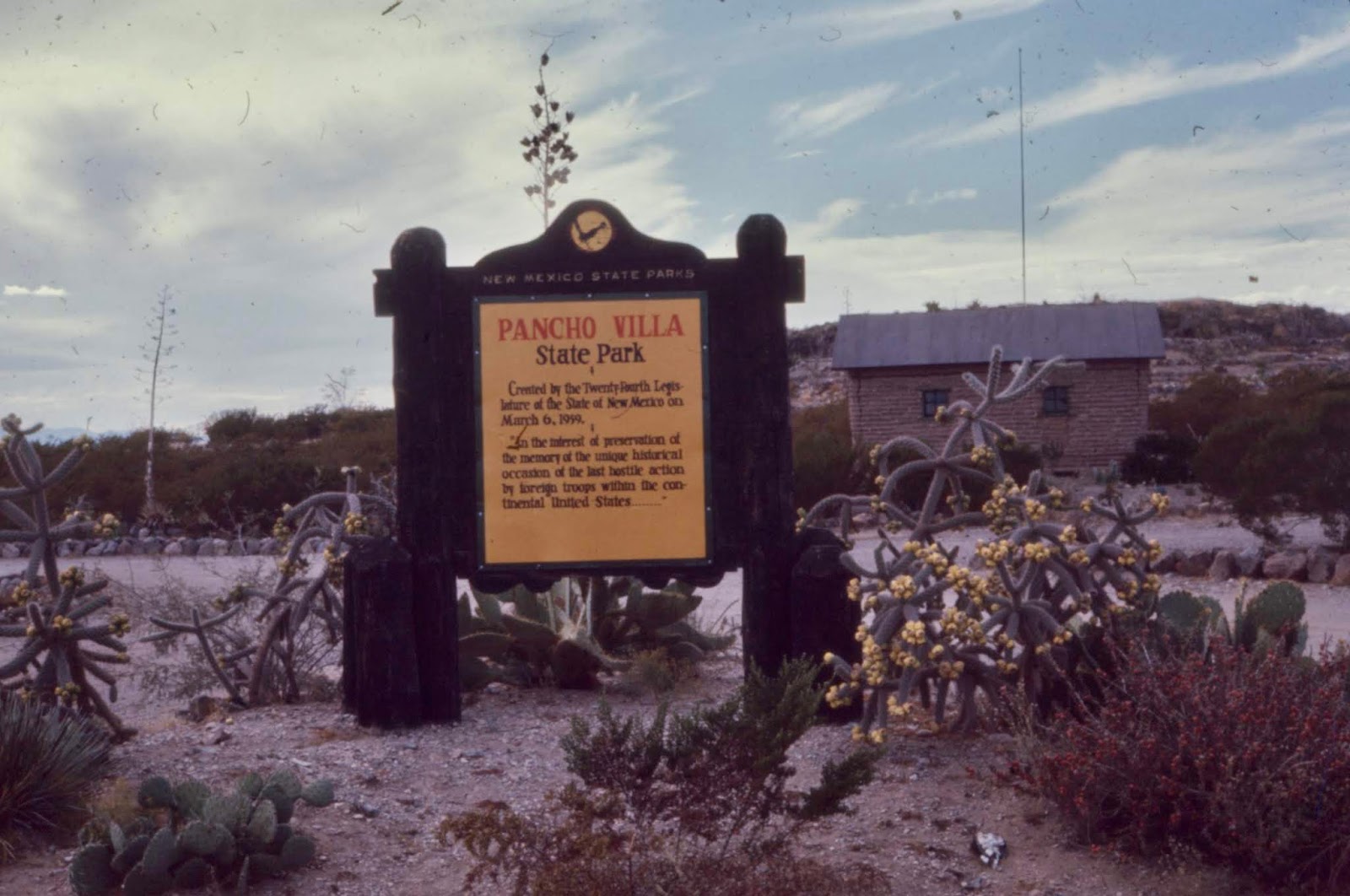
We stopped at Pancho Villa State Park which commemorates the Mexican general's 1916 attack on the United States. Mary was born that year.

Mary served a German chocolate cake to the neighborhood gang on my 13th birthday. Ronnie matured into a literal ladykiller. Tommy was the only guy I ever bested in a fight. David, our ringleader, became a pint-size juvenile delinquent. I can't remember the tall boy's name, but I suspect he came to a better end than the other three.
Charlie adjusted to a much warmer life than he'd had in Heidelberg. Ken insisted that I walk him every morning and night along Trans Mountain Highway because he didn't want him pooping in our small backyard.


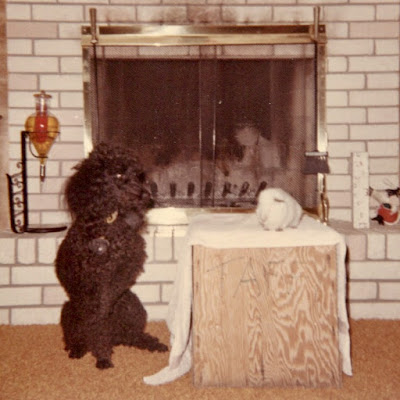
Cratchit had free run of the back yard in warm weather. It didn't take long before a cat killed him. His brown replacement delivered and ate a litter during one of Mary's bridge games.
Books from this middlebrow shelf (Harold Robbins, Jacqueline Susann, James Jones & Henry Sutton) gave me a crash course in human sexuality. Mary kept Portnoy's Complaint hidden in her lingerie drawer.


After returning from Viet Nam, Ken made good on his promise to build me a dune buggy. It spared me the trauma a lot of my gay friends had to endure during their high school years. Thanks, Dad!




Here's where I attended middle school and unsuccessfully ran for class president with "Hon or Bust," my campaign slogan, printed on covered wagon fliers.
 |
| Dowell Elementary School |
Ken and I spent a lot of time exploring in the Opel on weekends. Mary refused to ride in it any longer.

I'll never forget a long, slow drive to Columbus, NM, just north of the Mexican border, on a dirt road. By then, the railroad had stopped running.


We stopped at Pancho Villa State Park which commemorates the Mexican general's 1916 attack on the United States. Mary was born that year.
Mary served a German chocolate cake to the neighborhood gang on my 13th birthday. Ronnie matured into a literal ladykiller. Tommy was the only guy I ever bested in a fight. David, our ringleader, became a pint-size juvenile delinquent. I can't remember the tall boy's name, but I suspect he came to a better end than the other three.
 |
| Motley Crew: Ronnie, Tommy, Jeff, David & Forgotten (1966) |
Charlie adjusted to a much warmer life than he'd had in Heidelberg. Ken insisted that I walk him every morning and night along Trans Mountain Highway because he didn't want him pooping in our small backyard.

Before Ken shipped off to Viet Nam in 1966 we built a hutch for my new guinea pig. Charlie and Cratchit were Photo Pest's first photographic models.
I cheekily captioned this photo "Integration" and sent it to Ken to demonstrate how well Charlie and Cratchit were getting along.
Books from this middlebrow shelf (Harold Robbins, Jacqueline Susann, James Jones & Henry Sutton) gave me a crash course in human sexuality. Mary kept Portnoy's Complaint hidden in her lingerie drawer.

I took lots of photos to send to Ken in Saigon, mostly of Mary posing with my neighborhood friends including David . . .

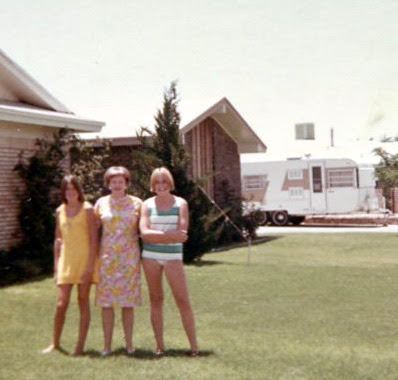
and Susie and Pattie, sisters and Army brats who moved into the neighborhood during his absence.
After returning from Viet Nam, Ken made good on his promise to build me a dune buggy. It spared me the trauma a lot of my gay friends had to endure during their high school years. Thanks, Dad!

In their early 80s, Oma and Opa moved to El Paso so Mary could keep an eye on them. Here they are in Ruidoso, New Mexico.

They gave Mary their '64 Rambler. Ken was appalled, but she loved having an American car with an automatic transmission. They drove me to college in it. An eight-track tape of "Who's Next" never left the deck.

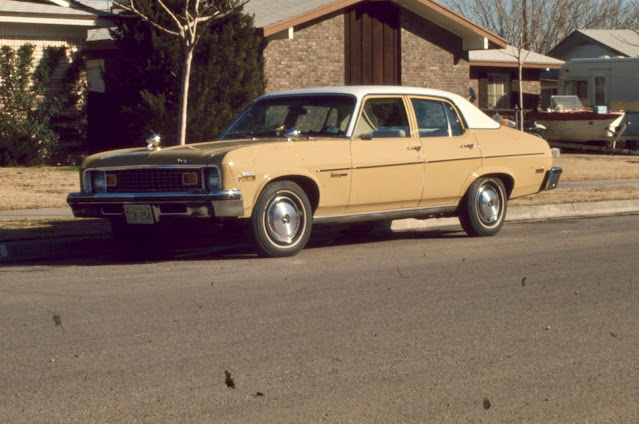
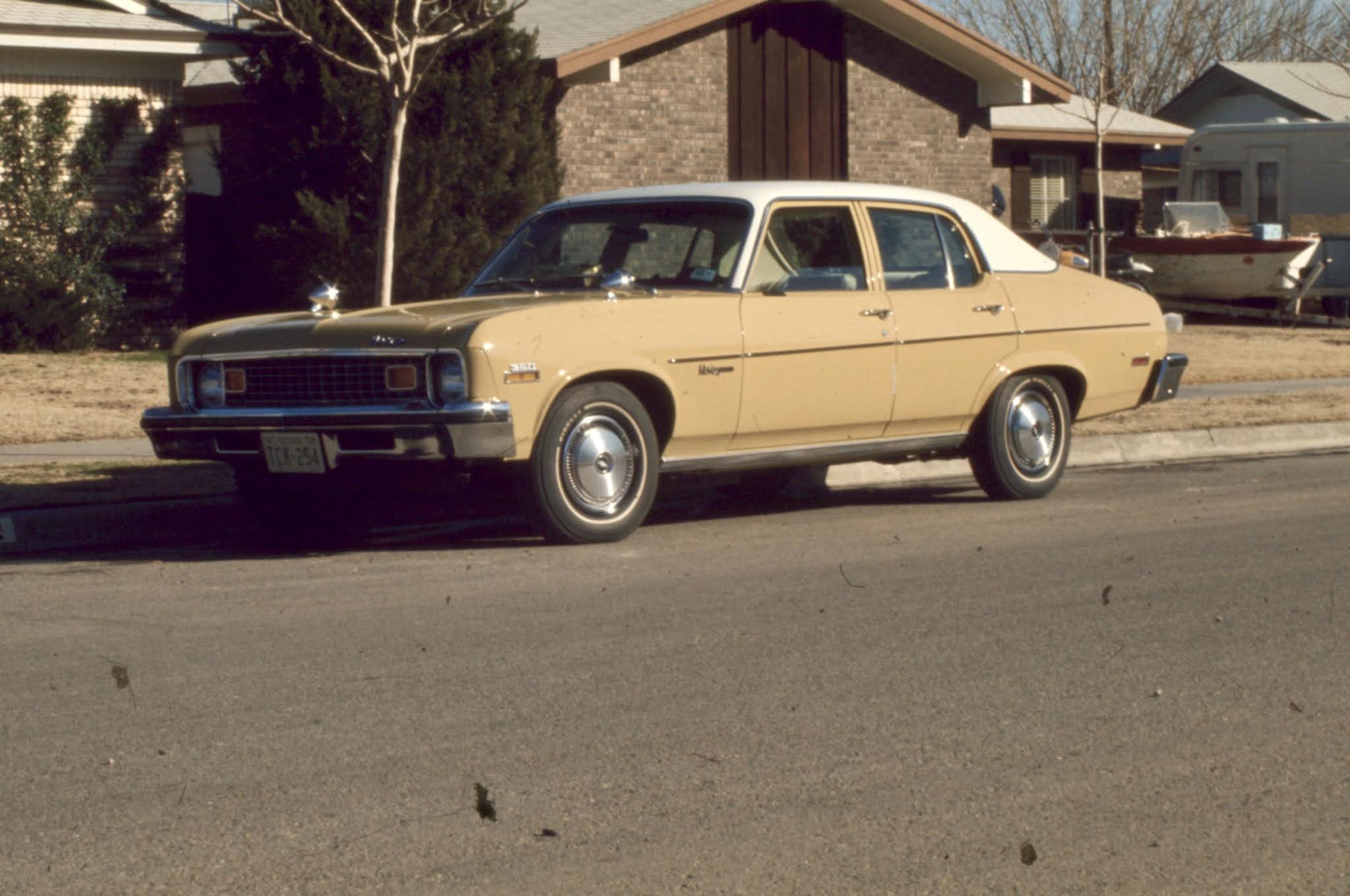
Mary eventually prevailed upon Ken to buy her a new Chevy Nova. Which I totaled. Not my fault!
I left this apple-cheeked kid behind to go to Columbia. Mary and Ken couldn't have been prouder. Don't judge their clothes. Polyester reigned in 1971!